
🎚 What Is Mixing?
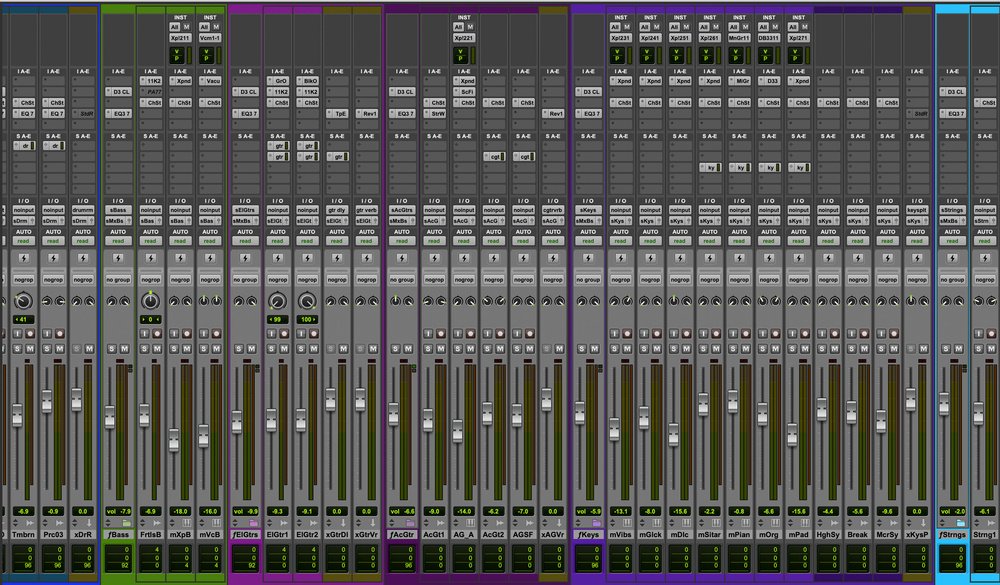
Mixing is the process of taking all the recorded parts of a song and blending them together so they sound balanced, clear, powerful, and professional.
After recording, you don’t just have “a song.”
You have separate tracks like:
• Lead vocal
• Doubles
• Harmonies
• Ad-libs
• Background vocals
• Drums
• Bass
• Instruments
Mixing is where those separate pieces are shaped into one cohesive record.
If recording is capturing the performance,
mixing is building the final sound.
🔧 What Happens During Mixing?
Mixing is detailed work. It includes:
1️⃣ Balancing Volume Levels
Making sure vocals aren’t too loud or too quiet compared to the beat.
Example:
If the drums overpower your voice in the hook, mixing corrects that.
2️⃣ Cleaning the Vocal
Removing unwanted sounds like:
• Mouth noise
• Harsh “S” sounds
• Background hiss
• Breathing distractions
Even good recordings need cleaning.
3️⃣ EQ (Tone Shaping)
EQ removes unwanted frequencies and enhances clarity.
Example:
If your vocal sounds muddy or boxed-in, EQ can make it sound clean and open.
4️⃣ Compression (Volume Control)
Compression keeps your vocal consistent.
Example:
If you whisper one line and yell the next, compression balances both so listeners don’t need to adjust the volume.
5️⃣ Reverb & Delay (Space & Depth)
These effects create atmosphere and emotion.
Example:
A dry vocal sounds flat.
Reverb adds space.
Delay can make certain words echo for impact.
6️⃣ Panning & Width
Spreading elements left and right so the mix feels wide instead of crowded.
Example:
Lead vocal stays centered.
Harmonies may be placed left and right for fullness.
7️⃣ Automation (Movement & Energy)
Adjusting elements throughout the song.
Example:
The hook may be slightly louder and more energetic than the verse.
Effects may increase during emotional moments.
🎧 What Does Mixing Fix?
Mixing helps fix:
• Vocals not sitting in the beat
• Muddy bass
• Harsh frequencies
• Weak hooks
• Imbalanced layers
It turns raw recordings into release-ready sound.
⏳ Why Does Mixing Take So Long?
A 3-minute song may contain:
• 20–100+ audio tracks
• Multiple vocal layers
• Background stacks
• Ad-libs
• Instrument groups
Each track must be:
• Balanced
• Cleaned
• Processed
• Checked on multiple speaker systems
Mixing isn’t one button.
Small adjustments can completely change how a song feels.
A professional mix can take several hours to refine properly.
💰 Why Does Mixing Cost So Much?
Many artists see mixing as “just adding effects.”
In reality, you’re paying for:
• Technical skill
• Trained ears
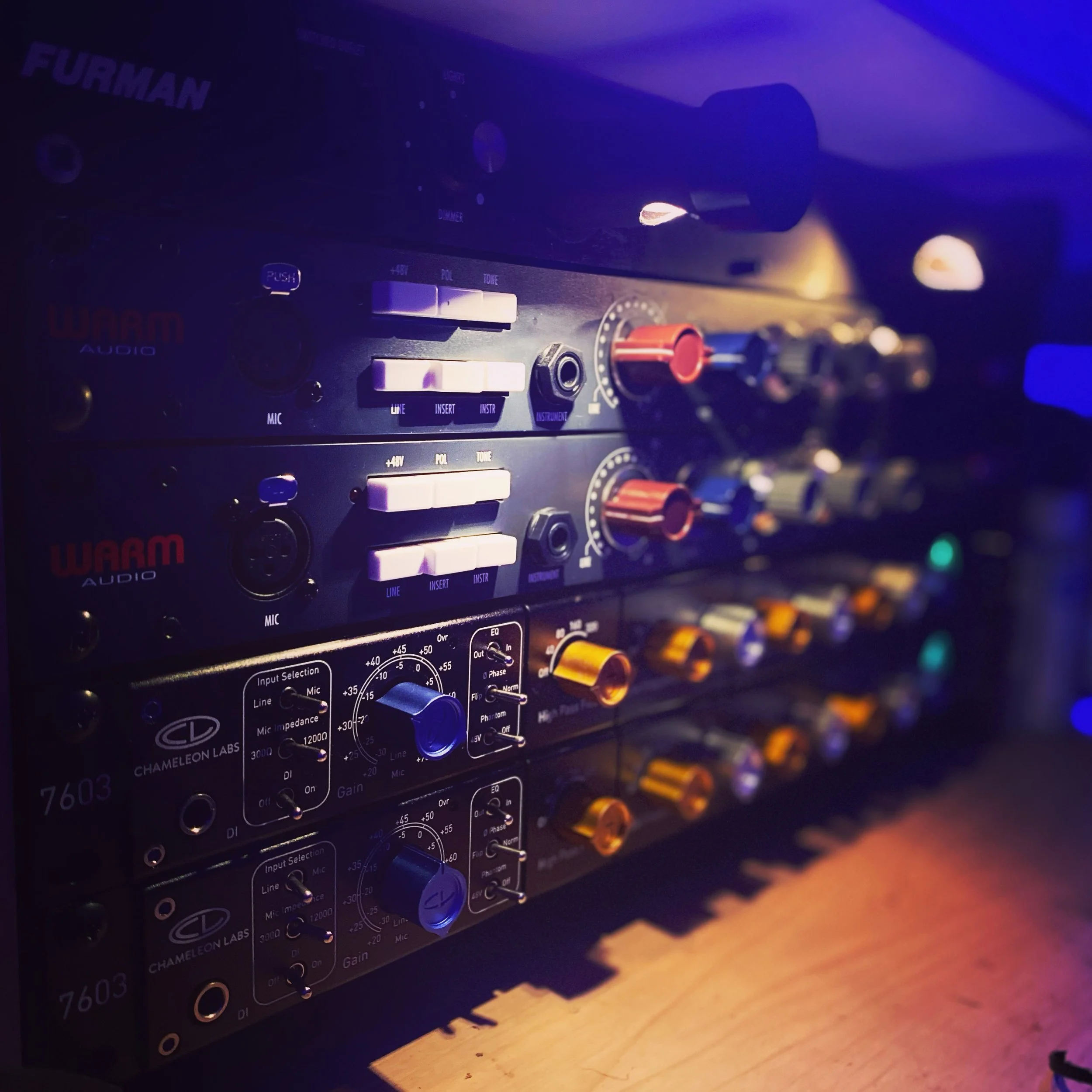
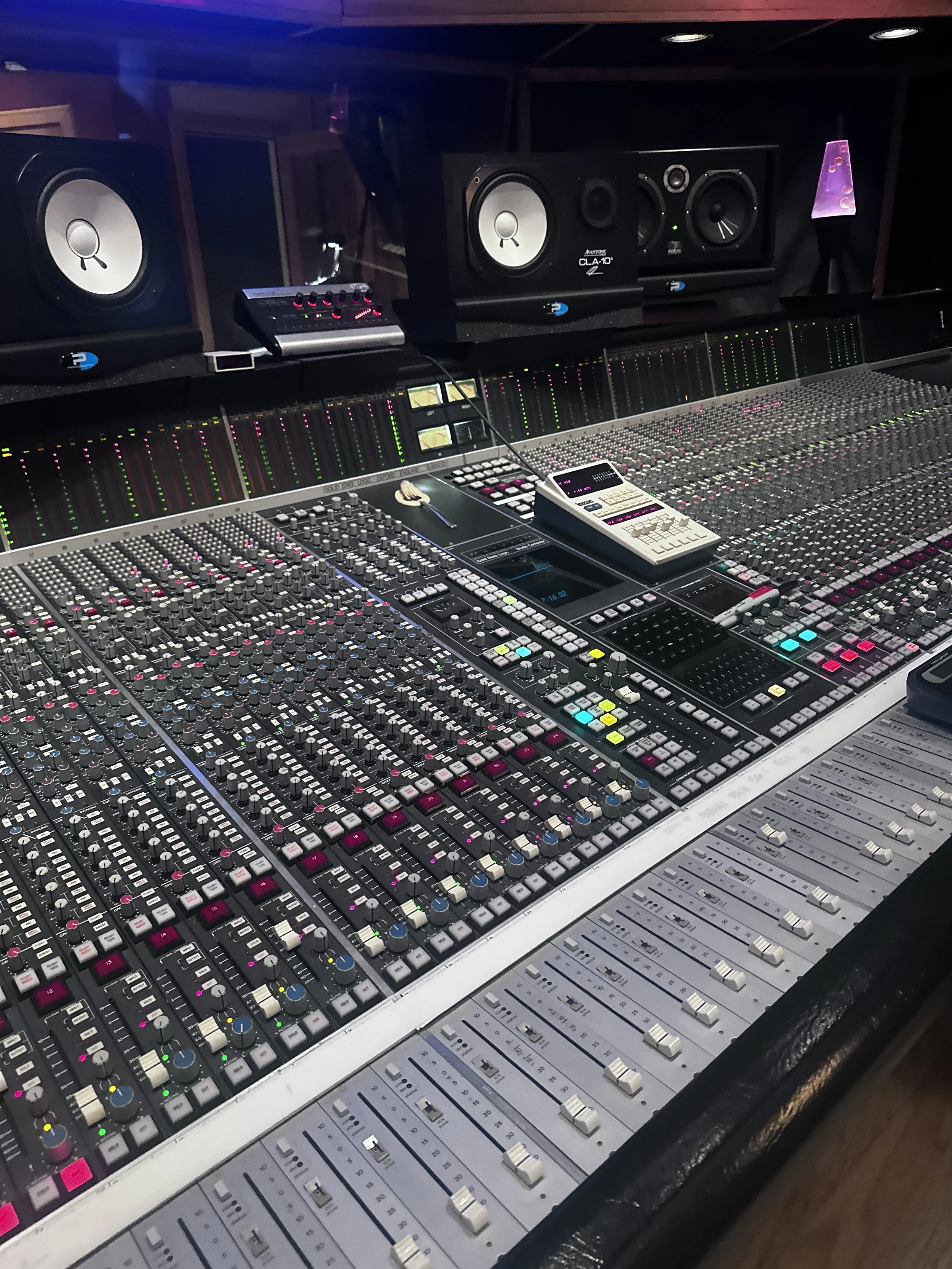
• Professional monitoring systems
• Time investment
• Experience
• Attention to detail
Let’s break that down.
🎓 1️⃣ Experience
An experienced engineer knows:
• Where vocals should sit
• How much bass is too much
• How to make a hook feel bigger
• How to avoid distortion
That knowledge comes from years of work — not presets.
🎧 2️⃣ Professional Monitoring
Mixing requires accurate speakers and headphones.
Cheap speakers can lie to your ears.
Professional monitoring systems are designed to reveal problems so they can be fixed before release.
⏱ 3️⃣ Time Investment
If your song has:
• 15 vocal tracks
• 10 instrumental layers
That’s 25 separate elements to process.
Each may require:
• EQ
• Compression
• Automation
• Fine adjustments
Even small edits add up quickly.
🧠 4️⃣ Problem Solving
Every song is different.
Example:
If the beat is very bass-heavy and your vocal is deep-toned, they may clash in the same frequency range.
Mixing requires carving space so both can be heard clearly.
That requires listening and decision-making — not guessing.
🔊 5️⃣ Quality Control
A mix must sound good on:
• Studio speakers
• Car systems
• Headphones
• Bluetooth speakers
• Phone speakers
Engineers check mixes on multiple systems to ensure consistency.
That takes time.
🎯 Why Mixing Is an Investment
A bad mix can make a great song sound amateur.
A strong mix can:
✔ Increase clarity
✔ Improve emotional impact
✔ Make your song competitive
✔ Help it translate better on streaming platforms
Mixing is not just technical — it shapes how people feel when they hear your record.
📌 Simple Breakdown
Recording = Capturing your performance
Mixing = Shaping and blending the elements
Mastering = Final polish for release
Each step builds on the previous one.